Electrathon America is a national student electric vehicle program built around a simple challenge: maximize efficiency. By designing, building, and racing ultra-efficient vehicles, students gain hands-on experience while exploring engineering, skilled trades, and emerging technology careers.
— SHAPING OUR FUTURE
WHY EFFICIENCY MATTERS
The future won’t be built by wasting resources. It will be built by engineers, technicians, and innovators who can accomplish more with less.
From electric vehicles and renewable energy to aerospace and advanced manufacturing, efficiency drives progress. The ability to maximize performance while minimizing energy, materials, cost, and waste is one of the most valuable skills in the modern economy.
Electrathon gives students the opportunity to tackle that challenge firsthand. Success comes from smart design, careful testing, strategic thinking, and continuous improvement. Every design decision matters. Every watt counts. And every improvement teaches lessons that extend far beyond the racetrack.
The result is more than a competition. It’s hands-on preparation for the careers and industries that are shaping our future.
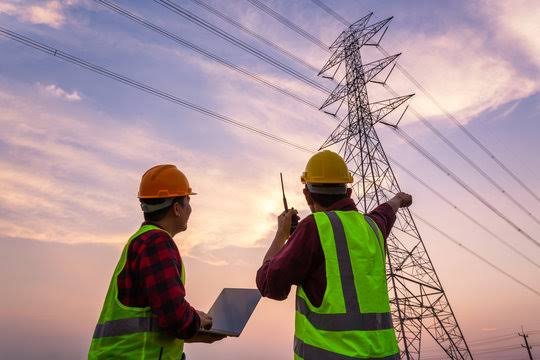
Energy & Utilities
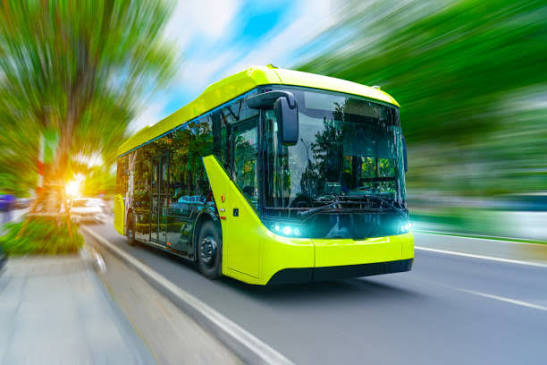
Transportation & Mobility
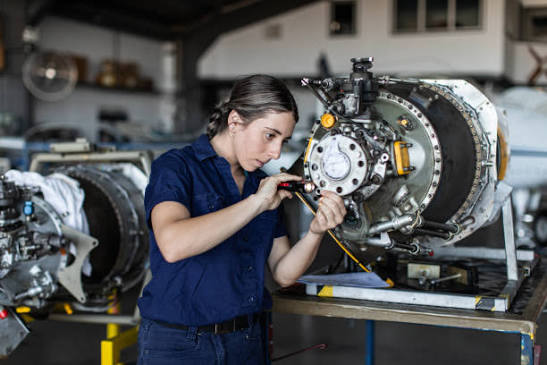
Aerospace & Technology
The Numbers
Efficiency measured in real-world performance
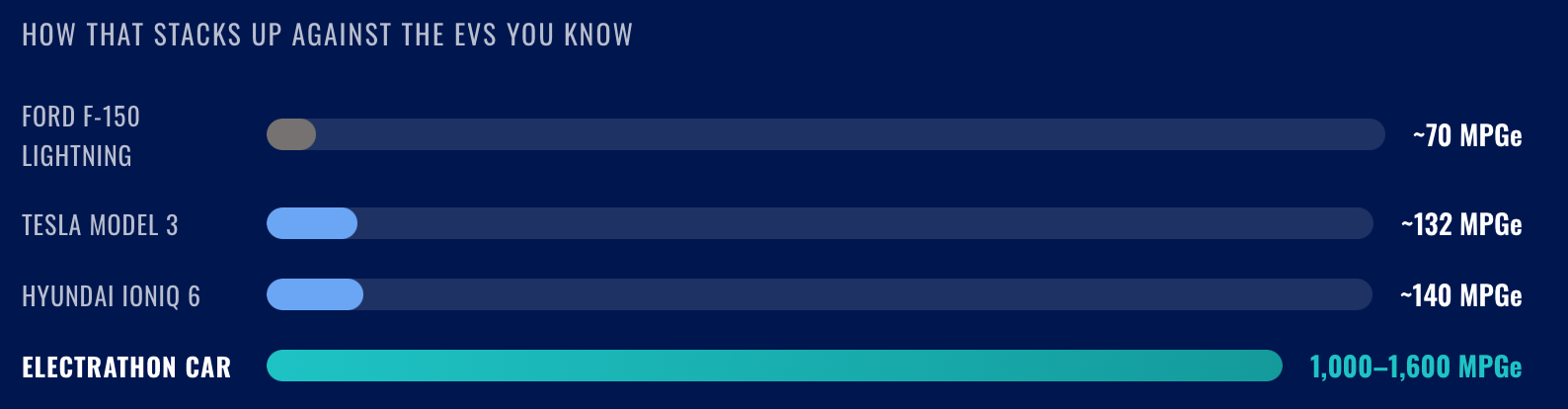
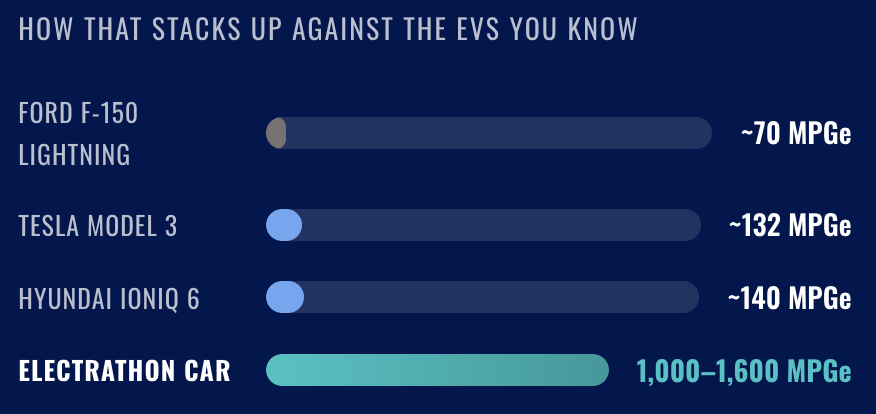
Electrathon cars are evaluated in MPGe (miles per gallon of gasoline equivalent), a standard measure of energy efficiency. Built and optimized by student teams, these vehicles consistently achieve efficiency levels that exceed many production electric vehicles.
1,000+
Fleet average
1,600+
Top-Performing Teams
Put another way, Electrathon vehicles can travel significantly farther on the same amount of energy than most consumer electric vehicles.
That combination of performance, constraint, and hands-on design is what defines the program. Students learn engineering concepts in the classroom and then apply them to real-world challenges in energy, transportation, and advanced manufacturing through measurable efficiency outcomes.
— DESIGN ENGINEERING
MEET AN ELECTRATHON VEHICLE
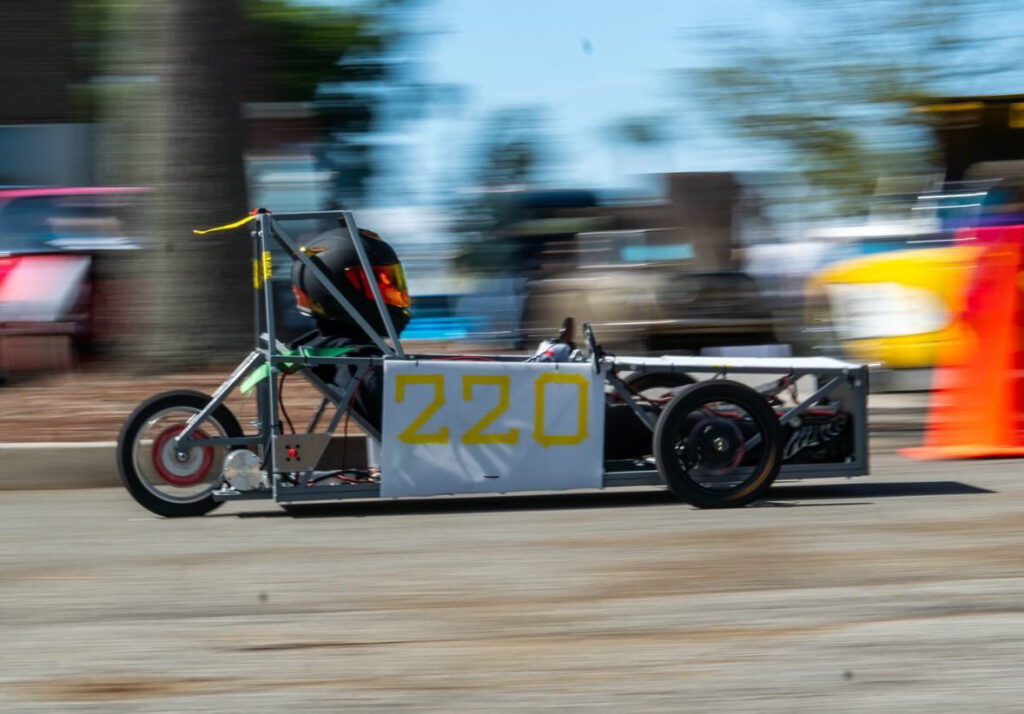
Electrathon vehicles may look simple, but they represent hundreds of design decisions and hours of testing.
Built around a lightweight chassis and powered by a small electric motor, these single-seat vehicles challenge students to think like engineers, balancing performance, efficiency, reliability, and strategy.
The Format
How a race works
1
Tech inspection
Every car is checked for safety and rules compliance, battery limits, braking, roll protection.
2
Green flag
All cars launch together. The clock starts and runs for a full 60 minutes.
3
Manage the energy
Teams balance speed against battery life. Driver swaps and pit strategy matter.
4
Most laps wins
When the hour ends, total distance decides the standings in each class.
Who Competes
One Community. Two Competition Classes
Electrathon America welcomes builders of all experience levels. High school students begin their engineering journey in the High School Class, while graduates, colleges, clubs, and experienced builders continue competing in the Open Class, creating a community where learning never stops.
High School Class
Student teams
High school-aged students design, build, and race ultra-efficient electric vehicles as part of a classroom, club, or other advisor-led program. Whether it’s a CTE course, STEM club, or after-school team, students gain real-world engineering experience through competition.
Open to high school aged students
Classroom or club based teams
Advisor-led programs
Open Class
Colleges, Clubs & Independent Builders
The Open Class is where innovation continues. College teams, alumni, clubs, educators, and independent builders compete with greater design freedom while advancing their skills and helping grow the Electrathon community.
Greater engineering freedom
Advanced vehicle design
Lifelong participation in the sport
—Heart behind the race
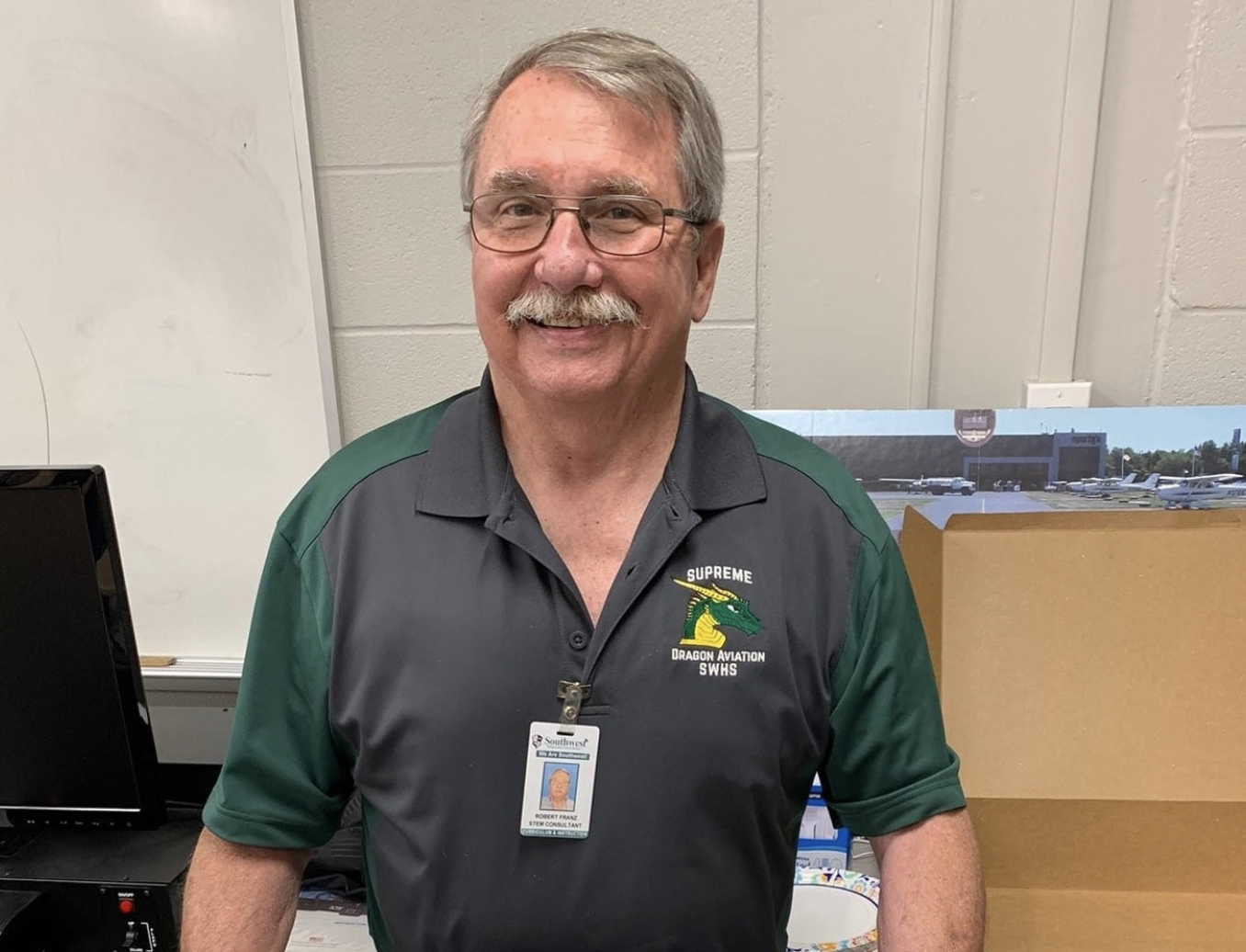
In memory of Bob Franz
A passionate advocate for hands-on engineering education, Bob Franz believed every student should have access to affordable, real-world STEM experiences. Through student electric vehicle racing, he helped make that vision a reality.
Volunteer leaders dedicated to advancing hands-on STEM education through electric vehicle competition. Drawing on experience in engineering, education, and industry, they provide the leadership and governance that guide Electrathon America and support its mission nationwide.
MIKE MERCHANT
Chair
CEO of Codazen and a Bob Franz alum who raced Electrathon and solar cars. Brings 25+ years of digital innovation experience to the Foundation.
Oscar Juarez
Vice Chair
Pioneering EV engineer since 1994 and Bob Franz alum whose work at AC Propulsion contributed directly to the technology behind the original Tesla Roadster.
Erika Woo
Secretary
A Bob Franz Foundation alum who built solar vehicles, worked at JPL on the Mars Rovers, and holds a master’s in Industrial Design from ArtCenter.
Angela Lee
Treasurer
UCSD engineering grad with an MBA and 25+ years in software, product, and program management. Passionate about mentoring young professionals and advancing financial literacy.
Michelle Hickey
Executive Director
Spent the past 20+ years supporting the development of businesses and organizations that focus on solutions for a resilient future. Has a passion for sustainability and advancing student education on electrification.
— Our History
35+ years on the grid
1990
First Electrathon events run in the U.S., adapting a format born in the U.K.
2004
Regional structure formalized & sanctioned events spread coast to coast.
2015
High School class booms as STEM funding makes programs accessible.
2026
A new leadership team launches a bold vision to make Electrathon America the nation’s premier educational electric vehicle competition.